
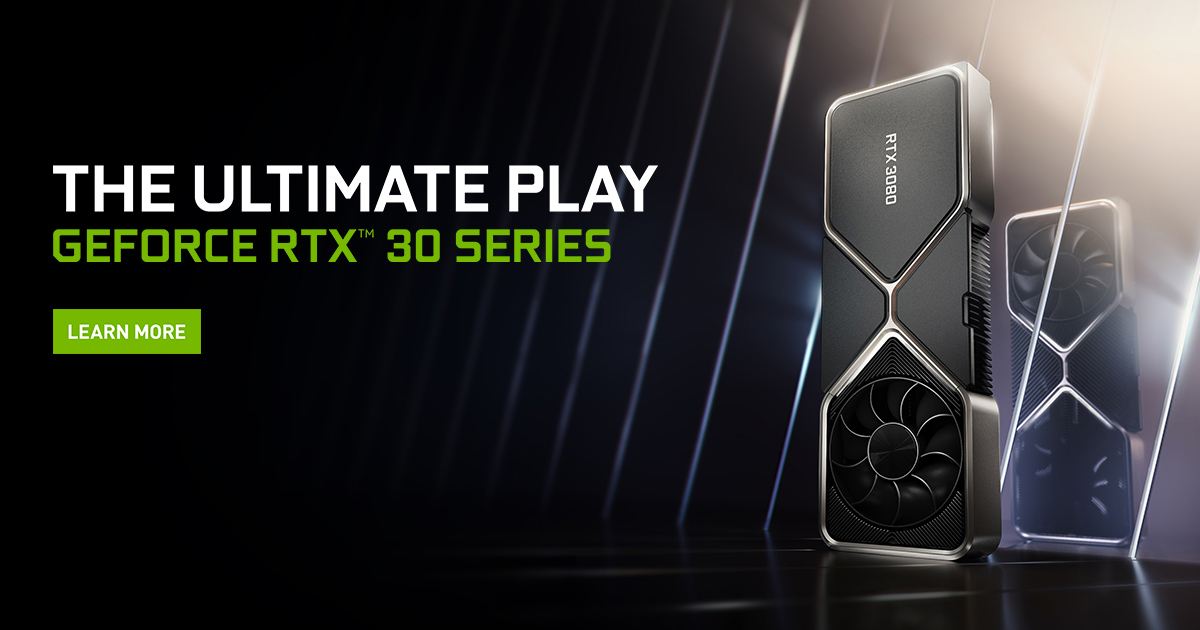
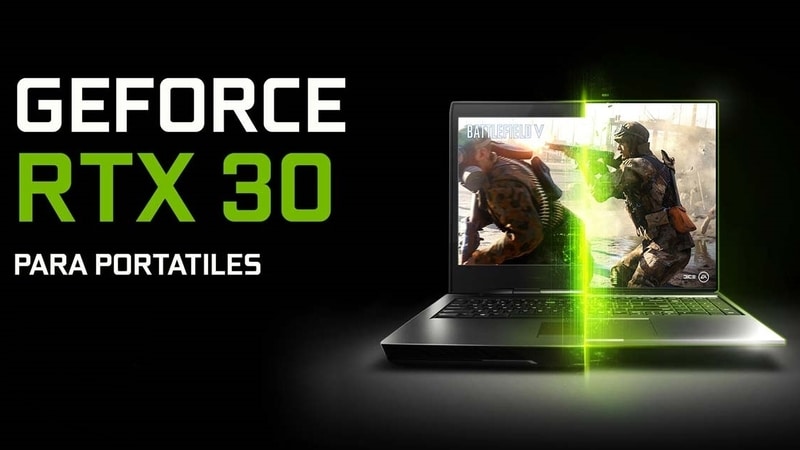
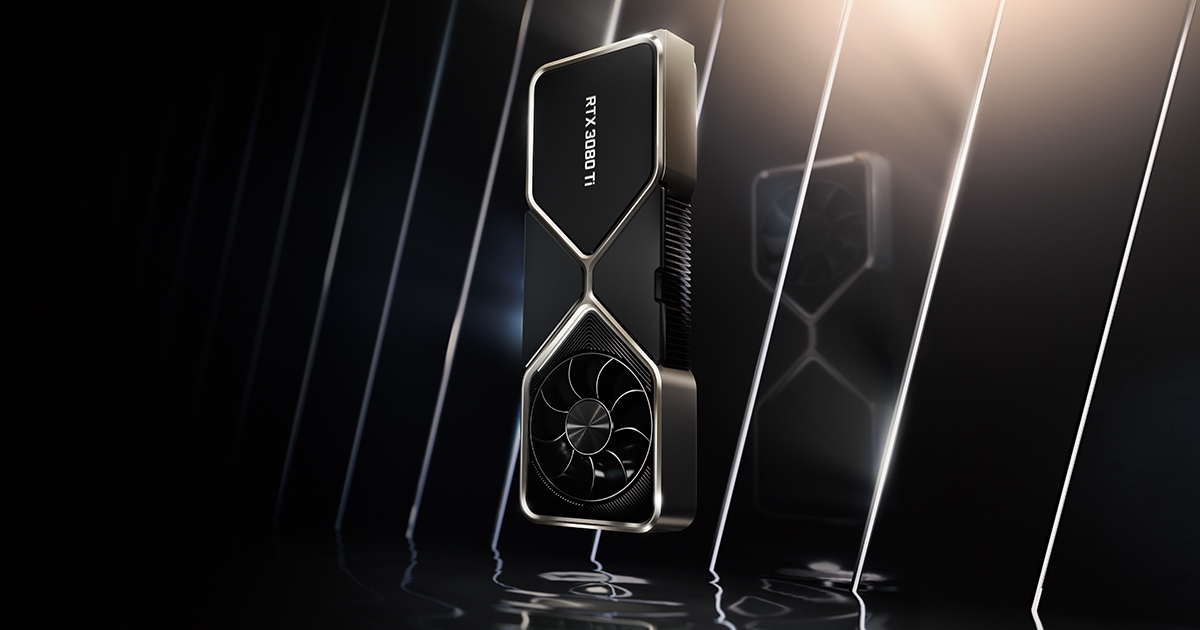
GeForce RTX 30 Series Overview and About with This.
One particularly unique aspect of the NVIDIA GeForce RTX 30 Series is its focus on real-time ray tracing and the introduction of dedicated hardware for this purpose. Real-time ray tracing is a rendering technique that simulates the behavior of light to produce highly realistic lighting, reflections, and shadows in virtual environments. While ray tracing had been used in offline rendering for years, the RTX 30 Series was among the first to bring this technology to real-time gaming.
The RTX 30 Series GPUs feature specialized hardware called RT Cores (Ray Tracing Cores), designed specifically to accelerate the ray tracing process. These RT Cores handle the complex calculations required for tracing the paths of individual rays of light in a scene, making it possible to achieve lifelike visual effects in games. This is a groundbreaking development in graphics technology because real-time ray tracing was previously considered computationally intensive and was typically used in pre-rendered scenes or cinematic sequences.
The inclusion of RT Cores in the RTX 30 Series marked a significant advancement in gaming graphics by ushering in a new era of visual realism. Games that support ray tracing on these GPUs can deliver stunning lighting effects, realistic reflections on surfaces, and dynamic shadows, enhancing the overall visual experience for gamers. This unique focus on real-time ray tracing has set a standard for future graphics cards and has influenced the direction of GPU development in the industry.
One particularly unique aspect of the NVIDIA GeForce RTX 30 Series is the integration of NVIDIA's Reflex technology. NVIDIA Reflex is designed to reduce system latency, providing a more responsive gaming experience. This feature is especially crucial for competitive gamers who demand precise and instantaneous reactions.
NVIDIA Reflex optimizes the communication between the GPU and peripherals, such as the mouse and keyboard, to minimize the time it takes for in-game actions to be reflected on the display. This reduction in input lag can make a noticeable difference in fast-paced, competitive gaming scenarios, where split-second decisions and reactions are critical.
By addressing latency at the system level, NVIDIA Reflex contributes to a smoother and more responsive gaming experience, ultimately enhancing the competitiveness of gamers who rely on quick and accurate responses during gameplay. This emphasis on reducing latency demonstrates NVIDIA's commitment to delivering technologies that not only enhance visual fidelity, as seen in their advancements in ray tracing and AI processing but also improve the fundamental responsiveness of the gaming experience.